Heat Exchanger Gasket
Construction:
Made from high-grade elastomeric materials molded or die-cut to match OEM specifications
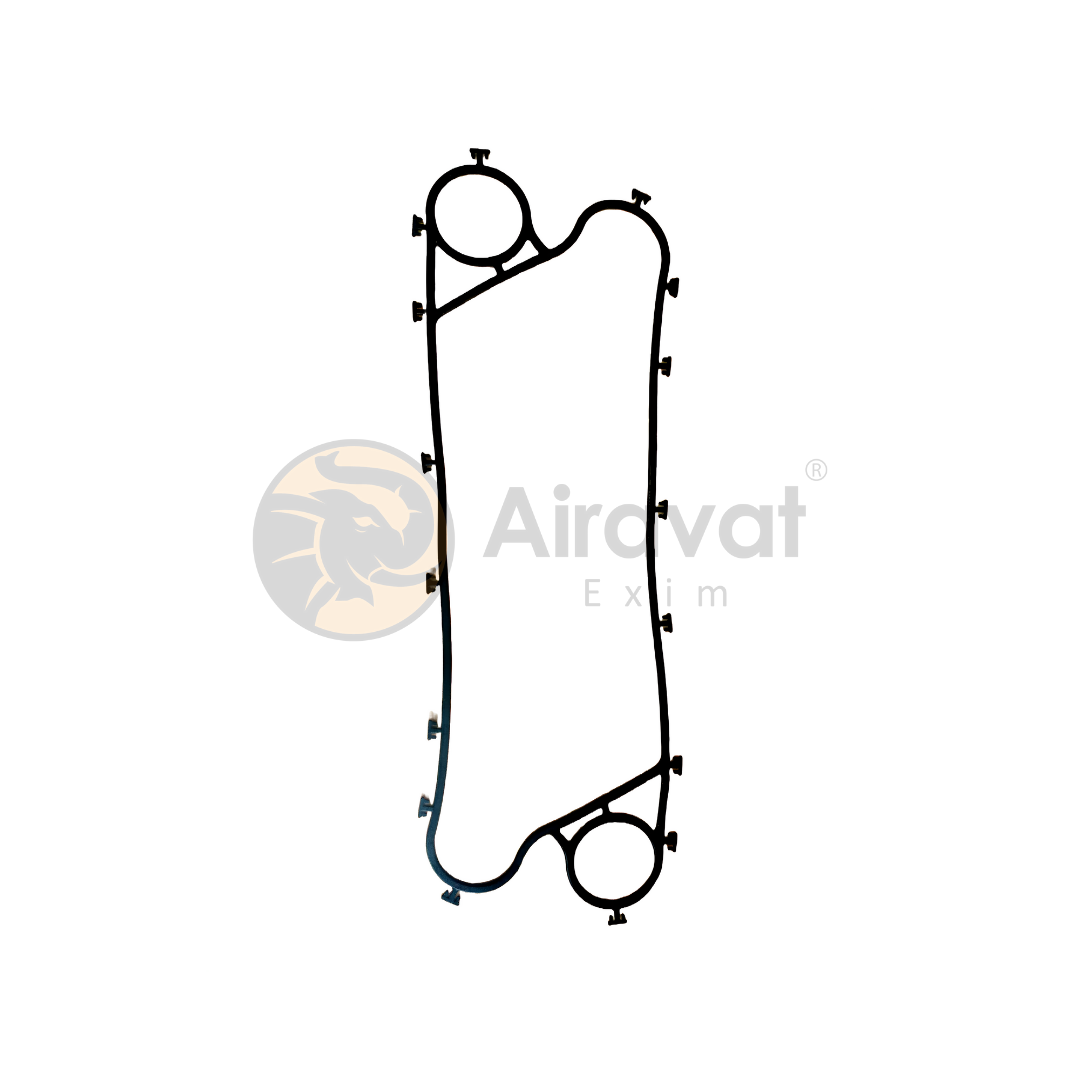
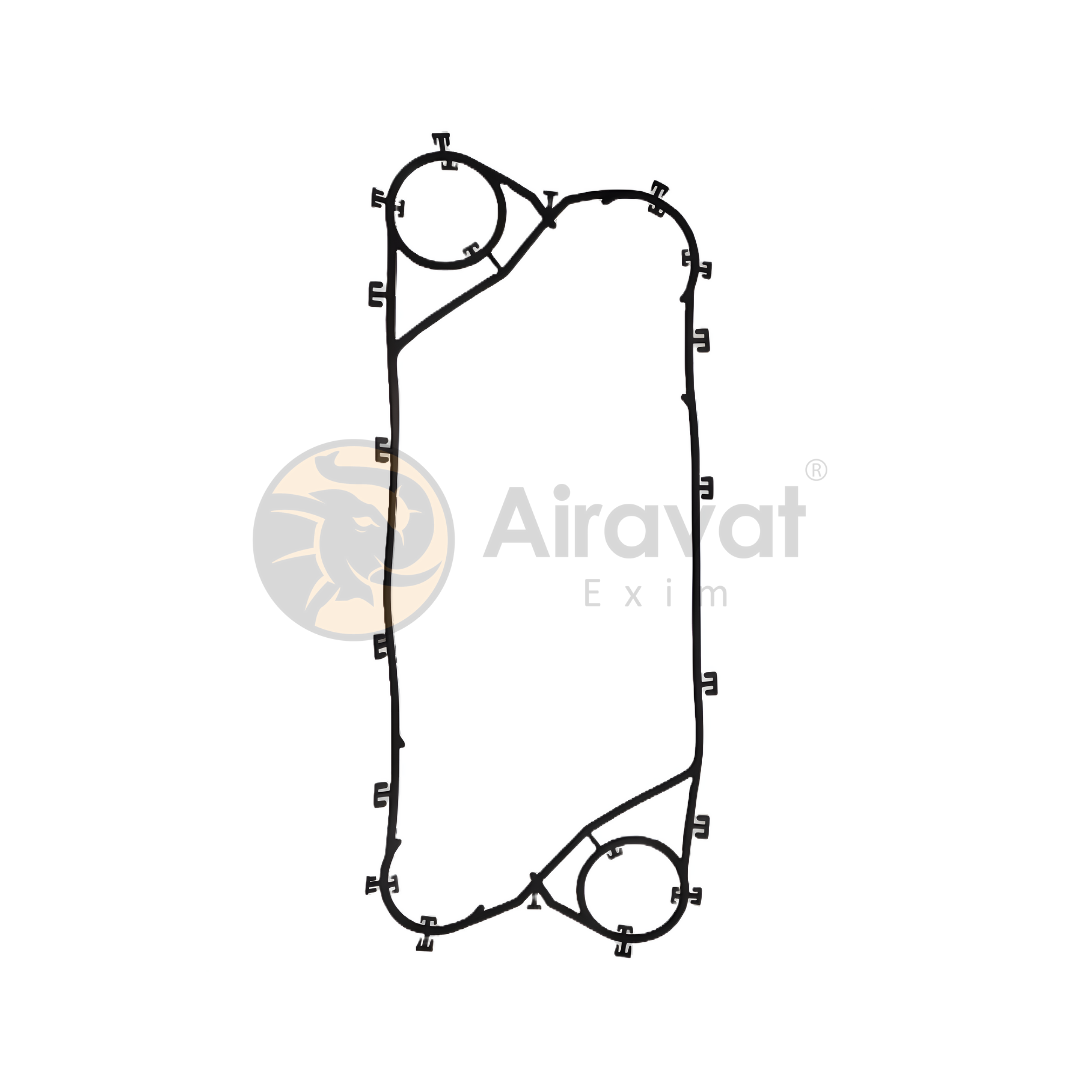
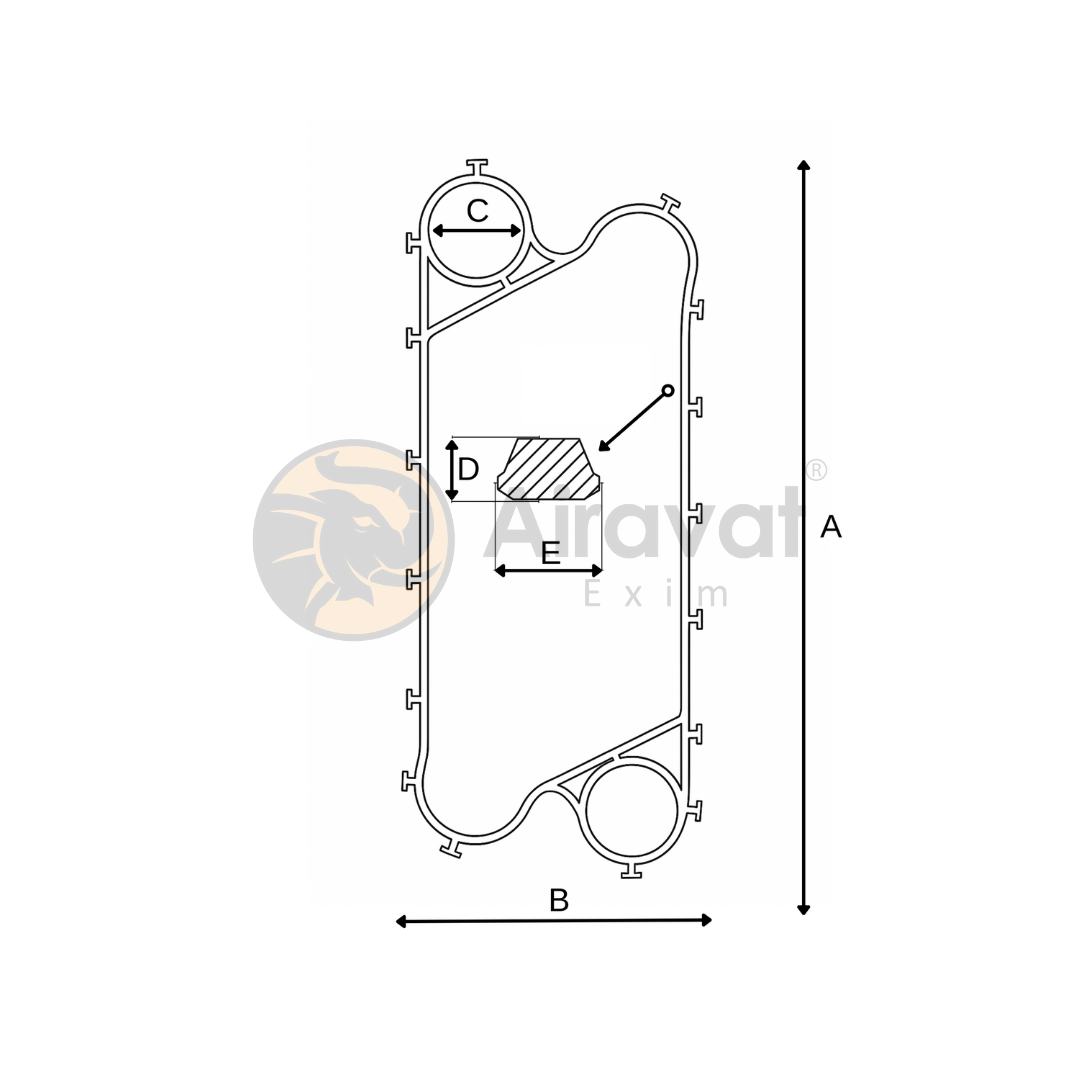
Designed to fit in the grooves of heat exchanger plates, offering a tight seal
Available with glue-type or clip-on (glueless) designs depending on the application
Typically manufactured from:
EPDM (resistant to hot water & steam)
NBR (good for oils and hydrocarbons)
Viton® (FKM) (excellent for high temperature & chemical resistance)
HNBR or Silicone upon request
Custom branding or OEM-compatible references possible
Usage:
Used for sealing the space between plates in a plate heat exchanger, ensuring that two fluids don’t mix
Maintains optimal thermal performance while preventing leakage
Easy to replace during maintenance and cleaning cycles
Common in applications with frequent thermal cycling and mechanical stress
Application:
Heat Exchanger Gaskets are used in plate-type heat exchangers found in industries like HVAC, chemical processing, power generation, pharmaceuticals, food and beverage, and petrochemicals. They serve a critical role in sealing between plates to prevent cross-contamination of fluids.
| Material Options: | EPDM, NBR, Viton, HNBR, Silicone |
|---|---|
| Temperature Range: | NBR: up to 120°C EPDM: up to 150°C Viton: up to 200°C |
| Pressure Rating: | Up to 25 bar (varies based on design and material) |
| Design Types: | Clip-on (mechanical attachment) Glue-on (adhesive bonded) |
| Standards: | Compatible with international OEMs like Alfa Laval, Tranter, GEA, SWEP, etc. |
| Customization: | Available for non-standard or discontinued models with sample-based reverse engineering |
| Features: | High compression set resistance for long-term sealing Accurate fit ensures consistent performance Durable under aggressive thermal and chemical conditions Reduces downtime with easy installation and replacement |